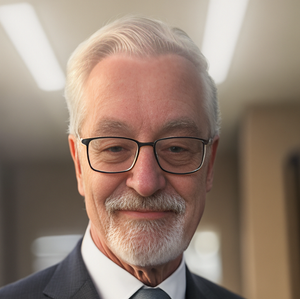
By Robert Skinner | Delta City News | May 29, 2026
Subscribe Free To Delta City News: Click Here!
A Growing Reality for Many Delta Families
For generations, most Canadians had a family doctor who knew their medical history, tracked their health over time, and served as their first point of contact when problems arose.
Today, that experience is becoming increasingly difficult to find.
Across British Columbia, thousands of residents are searching for a family physician, and seniors are among those feeling the impact most acutely. In communities such as Ladner, Tsawwassen, and North Delta, many older adults are discovering that losing a long-time doctor through retirement, relocation, or practice closure can leave them without the continuity of care they once relied upon.
The question is simple:
What happens when a senior can no longer access a family doctor?
The answer can affect everything from medication management to emergency room visits.
More Than a Routine Appointment
A family doctor does far more than treat illnesses.
For seniors, primary care often involves:
- Monitoring chronic conditions
- Managing medications
- Coordinating specialist referrals
- Tracking changes in mobility and cognitive health
- Providing preventative care
Without a regular physician, these services can become fragmented.
Instead of one healthcare professional overseeing the entire picture, seniors may find themselves relying on multiple clinics, urgent care centres, pharmacists, and emergency departments.
The Challenge of Managing Multiple Medications
Many seniors take several prescription medications.
A family doctor often serves as the central coordinator, ensuring medications work together safely and identifying potential side effects or interactions.
When that oversight disappears, problems can arise:
- Duplicate prescriptions
- Missed medication reviews
- Confusion over dosage changes
- Increased risk of adverse reactions
For family caregivers, managing this complexity can become overwhelming.
Turning to Walk-In Clinics and Urgent Care
Many seniors without a family physician rely on walk-in clinics or urgent care centres.
While these services play an important role, they are not designed to replace long-term primary care.
Physicians working in these settings may have limited access to a patient's complete medical history.
As a result:
- Follow-up care can become inconsistent
- Chronic conditions may be harder to monitor
- Seniors may need to repeatedly explain their health history
What should be a simple appointment can become a frustrating process.
Increased Pressure on Emergency Departments
Healthcare experts have long noted that when people cannot access primary care, they often seek treatment in hospital emergency departments.
For seniors, this can mean:
- Longer wait times
- Greater stress
- More exposure to illness
- Reduced continuity of care
Many issues that could have been addressed in a family practice setting end up being handled in a much more expensive and crowded environment.
The Hidden Impact on Families
The consequences extend beyond the individual patient.
Adult children often become healthcare navigators for aging parents.
Tasks can include:
- Scheduling appointments
- Coordinating specialists
- Managing medications
- Transporting parents to medical visits
For many families, these responsibilities are added to full-time jobs and other caregiving duties.
What Resources Are Available?
While physician shortages remain a challenge, seniors and caregivers do have options.
Resources may include:
- Community health services through Fraser Health
- Urgent and Primary Care Centres
- Pharmacist consultation programs
- Home and community care services
- Telehealth and virtual care options
These services do not fully replace a family physician, but they can help bridge gaps in care.
Looking Ahead
British Columbia continues to invest in recruiting physicians and expanding primary care networks. However, demand remains high, particularly in communities with growing senior populations.
As Delta's population ages, access to primary care is likely to remain one of the community's most important healthcare issues.
The Bottom Line
When seniors cannot find a family doctor, the effects ripple through the entire healthcare system.
Appointments become harder to coordinate. Emergency departments face greater demand. Families take on additional responsibilities.
Most importantly, seniors lose something that many once took for granted: a trusted healthcare professional who knows them, understands their history, and helps guide their care over time.
For many Delta families, finding solutions to that challenge is becoming increasingly important.
Robert Skinner — Publisher, Delta City News
A Ladner-based business systems developer, Robert Skinner, leads Delta City News with a focus on delivering clear, relevant information for the local business and community landscape.
📞 +1 604-220-4750
📧 RSkinner@wbnn.news
🔗 Robert Skinner
Delta City News — Part of the WBN News Network
Why Join our Contributor Team Video: Click Here
Apply To Be A News Contributor Here
#Delta City News #Delta BC #Senior Health #Healthcare #Family Doctor #Fraser Health #Healthy Aging #Community Health