By Robert Skinner | Delta City News | July 14, 2026
Subscribe Free To Delta City News:
Click Here!

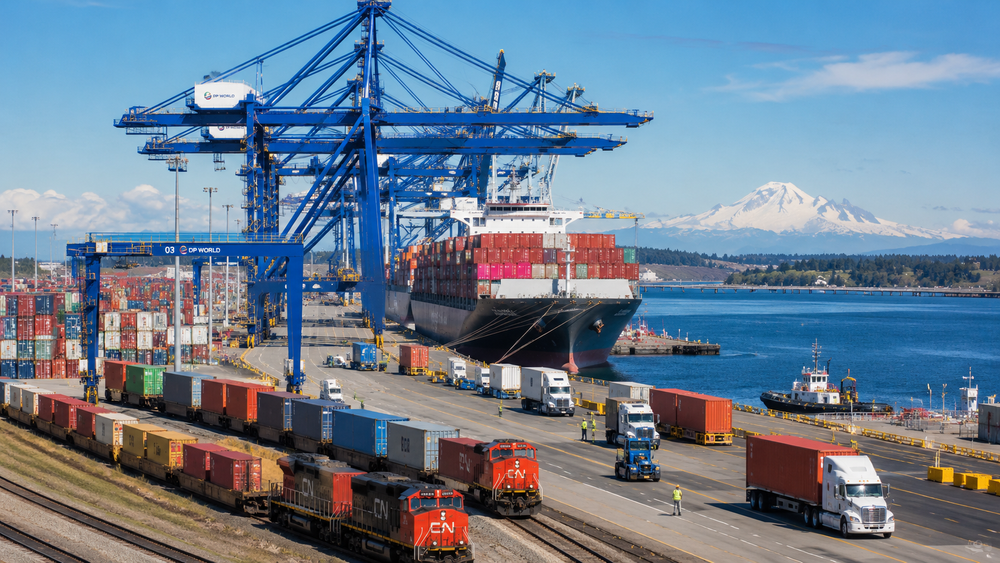
Canada's largest proposed port expansion has reached a major milestone with the selection of a preferred construction partner. For Delta, the announcement signals that Roberts Bank Terminal 2 is moving beyond planning and into the next stage of delivery, bringing long-term economic opportunities closer to reality.
Opening

For more than a decade, Roberts Bank Terminal 2 has been the subject of environmental reviews, engineering studies and public debate.

This week, the project took one of its most significant steps forward. The Vancouver Fraser Port Authority has selected TerraMarine as the preferred proponent for the landmass and wharf component of Roberts Bank Terminal 2, marking the beginning of the collaborative design phase for one of Canada's largest transportation infrastructure projects.

What Happened

Terra Marine is a consortium led by Aecon, together with Flatiron Dragados Canada, Van Oord Canada and Carlson Construction Group.

The consortium will work with the Vancouver Fraser Port Authority under a Design and Early Works Agreement expected later this year. During this phase, the project team will refine engineering, construction methods, scheduling and cost estimates before entering a full Progressive Design-Build Agreement, currently targeted for early 2028.

Major construction is expected to begin in 2028, with the terminal anticipated to enter service during the mid-2030s.

What Does "Preferred Proponent" Mean?

For many readers, this announcement may sound like another government update. It is much more important than that.

A preferred proponent is the construction team selected to work exclusively with the project owner to finalize design, planning and early construction activities. While the final construction contract has not yet been awarded, this milestone confirms the project has moved from concept and approvals into active project delivery.

In simple terms, Roberts Bank Terminal 2 is no longer just a proposal—it is being built.

Local Impact

Few Canadian communities will feel the impact of this project more than Delta.

Roberts Bank sits at the centre of an integrated transportation network that includes Highway 17, Highway 99, the George Massey Tunnel replacement, Deltaport, major rail corridors and the Tilbury industrial area.

As the project advances, local businesses may benefit from increased demand for engineering, construction, logistics, transportation, accommodation, professional services and industrial supply contracts. The project is also expected to create opportunities for Indigenous businesses and local suppliers as procurement expands.

For residents, the project will also bring important conversations about transportation capacity, environmental stewardship and how growth should be managed.

By The Numbers

  • 2.4 million TEUs of new annual container capacity
  • Three new deep-water container berths
  • More than 30% increase in Canada's West Coast container capacity
  • 370 federal environmental approval conditions
  • Major construction targeted to begin in 2028
  • Operations expected in the mid-2030s

Strategic Implications

The importance of Roberts Bank extends well beyond Delta.

Canada is working to diversify exports and strengthen trade with Asia and other international markets. Expanding port capacity is essential if Canadian businesses are to move more goods efficiently while reducing supply chain bottlenecks.

The recent federal-provincial infrastructure agreement places Roberts Bank alongside projects such as the George Massey Tunnel replacement and major highway improvements as part of a broader strategy to strengthen Canada's Pacific trade corridor.

Why It Matters

Most people see Roberts Bank as a container terminal.

Governments increasingly see it as nation-building infrastructure.

With a preferred construction partner now selected, Roberts Bank Terminal 2 has entered a new chapter. The focus shifts from debate to delivery, from planning to execution, and from concept to construction.

For Delta, this means the community will continue to play an increasingly important role in Canada's economy. The decisions made over the next several years will influence transportation, employment, industrial development and trade for decades to come.

Series: Delta At The Centre Of Canada's New Trade Economy


Robert Skinner

WBN News – Real-Time Intelligence For Business

Subscribe: https://deltacity.news/subscribe/?fpr=robert10

Contact: robertsinbiz@gmail.com

LinkedIn: https://www.linkedin.com/in/rlskinner/


Tags: #Delta City News #Roberts Bank #Port Of Vancouver #Trade Corridor #Infrastructure #Delta BC #Economic Development #Transportation #Business News #Pacific Gateway


FACT CHECK REVIEW

Dates: Preferred proponent announced July 2026. Design and Early Works Agreement anticipated in 2026. Major construction currently targeted for 2028.

Names: Terra Marine consortium, Aecon, Flatiron Dragados Canada, Van Oord Canada, Carlson Construction Group and Vancouver Fraser Port Authority verified.

Organizations: Vancouver Fraser Port Authority, Government of Canada and Infrastructure BC verified.

Numbers: 2.4 million TEUs, three berths, more than 30% additional West Coast capacity and 370 approval conditions verified through official project information.

Timelines: Subject to final agreements, regulatory approvals and procurement milestones.

Quotations: No direct quotations used.

Facts vs. Analysis: Project milestones and capacity figures are factual. Economic implications are analysis based on publicly announced project objectives.

Assumptions: Assumes current project schedule proceeds substantially as planned.

Uncertainties: Construction timing, costs and future trade volumes remain subject to change.

Disputed Claims: Environmental impacts continue to be monitored and remain an area of public interest.

Share this article
The link has been copied!