By Robert Skinner | Delta City News | April 14, 2026
Subscribe Free To Delta City News: Click Here!
A Growing Industry—But Who Benefits?
Delta’s greenhouse industry is expanding.
Production is increasing.
Facilities are growing.
Operations are becoming more advanced.
But for many local business owners, the key question is simple:
👉 Does this growth translate into real opportunity locally?
Where Local Business Gains Appear
Large greenhouse operations don’t operate in isolation.
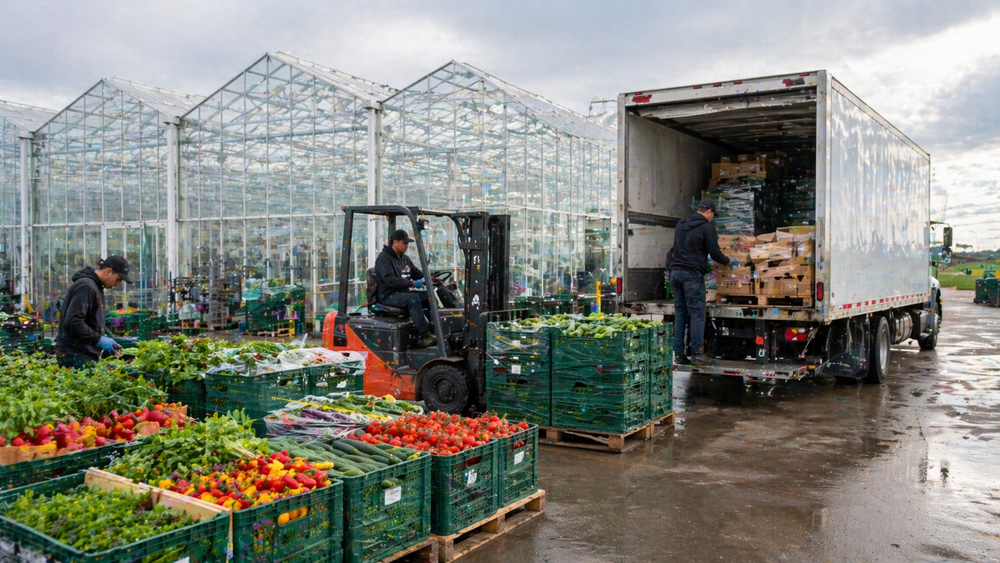
They rely on a network of supporting services, including:
- transportation and logistics
- equipment supply and maintenance
- packaging and materials
- labour services
- professional services (accounting, compliance, consulting)
👉 These connections create opportunities for local businesses to participate.
Ladner’s Position in the Supply Chain
For Ladner in particular, proximity matters.
Being close to greenhouse operations means local businesses can benefit from:
- service contracts
- regular supply needs
- ongoing maintenance work
- day-to-day operational support
In some cases, this creates:
👉 steady, repeat business
👉 long-term relationships
👉 reliable revenue streams
Indirect Benefits: The Local Economy Effect
Beyond direct contracts, there are indirect impacts.
Greenhouse employees:
- shop locally
- use services
- support restaurants and retail
This can contribute to:
- increased activity in Ladner businesses
- more consistent customer flow
- broader economic circulation
👉 Even if businesses aren’t directly tied to agriculture, they may still benefit.
But Not All Business Is Local
At the same time, not all economic activity stays within Delta.
Many large operations are connected to:
- regional suppliers
- national distributors
- international ownership structures
This means:
👉 some spending and profit flows outside the community
For local businesses, this can limit how much of the economic benefit is captured locally.
Barriers for Smaller Businesses
For smaller, independent businesses, access is not always straightforward.
Challenges may include:
- scale requirements
- established supplier relationships
- pricing competition
- procurement systems favoring larger vendors
👉 In other words, opportunity exists—but it may not be evenly distributed.
A Question of Integration
One of the key factors is how well the greenhouse industry integrates with the local business community.
Questions worth asking include:
- Are local suppliers being used where possible?
- Are relationships being built within the community?
- Is there room for more local participation?
The Bottom Line
Delta’s greenhouse industry creates real economic activity.
But the local benefit depends on:
- who is connected
- how supply chains are structured
- and whether local businesses are positioned to participate
The Real Question
👉 As the greenhouse industry continues to grow…
will more of that opportunity:
- stay within Delta
- support local businesses
- and strengthen communities like Ladner?
Or will much of it remain tied to broader, external networks?
Having a Voice in What Comes Next
Economic development in Delta is shaped by both market forces and local relationships.
For business owners, staying informed—and connected—can play an important role in accessing emerging opportunities.
As industries evolve, understanding where those opportunities exist may be the first step in participating in them.
Robert Skinner Publisher - Robert is a Ladner based business systems developer and the Publisher of Delta City News.
Give him a call at +1 604-220-4750 or connect on LinkedIn: https://www.linkedin.com/in/rlskinner/
Note: We are looking for Citizen Journalist to write for this News Platform on a P/T Basis. Chat GPT training is available. To Apply: Click Here
🔎 Sources & References
- BC Ministry of Agriculture
- Local agricultural and business development resources
- Industry supply chain and logistics frameworks
#Delta City News #Robert Skinner - Publisher #Delta Business #Greenhouse Industry #Ladner Business #Local Economy #Agriculture BC #Small Business #Supply Chain