By Sherri Claydon| Vancouver City News | October 22, 2026
You can Subscribe To Delta City News for Free Click Here!
Republication Note
Originally published by Vancouver City News. Republished by Delta City News as part of the WBN News Network.
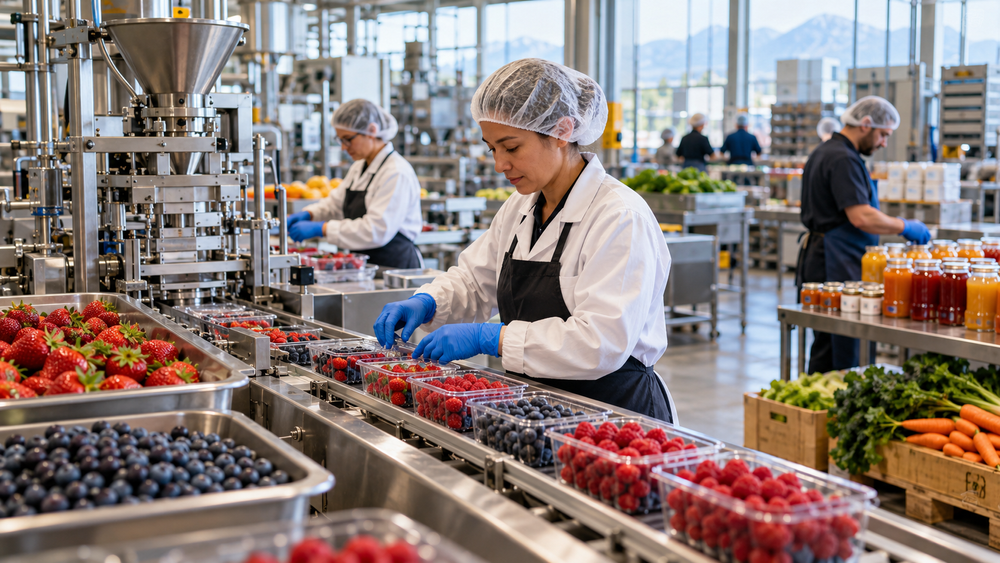
From fruit-based beverages in Kelowna to soups and specialty drinks made in Vancouver, B.C. food manufacturers are expanding production, adding jobs and reaching customers across Canada. They're part of an industry that generated an estimated $14.3 billion in output in 2024.
As more B.C. food manufacturers invest in production capacity, the question of where facilities can be built is gaining attention. The provincial government is considering changes that could allow certain food-processing facilities on lower-quality agricultural land in the Lower Mainland and Fraser Valley, while maintaining protections for farmland.
More Room For B.C.'s Food-Processing Industry
Announced in July 2026, the proposal could give qualifying food manufacturers more options for locating processing facilities by allowing them on certain lower-quality land within the Agricultural Land Reserve (ALR). The province estimates that 500 to 1,000 hectares in the Lower Mainland and Fraser Valley could qualify, subject to conditions.
Public consultation closed September 18. The province has not announced a final decision on the proposed changes.
The Lower Mainland has B.C.'s highest concentration of food and beverage processors. While the proposed land-use changes are still under consideration, manufacturers across the province are already investing in facilities and equipment to increase production and reach larger markets.
B.C. Manufacturers Expand Production And Reach
Farming Karma has more than doubled its beverage production and hired 20 additional employees after investing in manufacturing equipment and bringing more processing in-house.
The family-owned Kelowna business received $2 million through the BC Manufacturing Jobs Fund to support its expansion. Its fruit-based beverages are now distributed through Walmart and Costco in multiple Canadian provinces.
In Vancouver, Goodly Foods has moved into larger premises on Pandora Street to expand production of soups and prepared foods made from surplus and cosmetically imperfect produce supplied by regional growers and wholesalers.
The company grew from an initiative connected to the Greater Vancouver Food Bank. In 2023, it reported distribution through 118 Walmart stores in B.C. and Alberta. Goodly now reports distribution across Canada.
Coupe Beverages has also expanded its Vancouver manufacturing operations, undertaking a $3-million investment supported by provincial funding of up to $450,000.
The company, which produces Duchess-branded beverages, established its own East Vancouver factory in 2022 after difficulties securing dependable manufacturing capacity. It opened an expanded facility in 2025, adding equipment and production capacity. Duchess products are distributed nationally.
Each business has invested in manufacturing capacity to serve customers beyond its original market, although their products and supply chains differ.
How Vancouver Food Makers Support B.C. Farmers
For B.C. farmers, the opportunity isn't limited to selling fresh produce. Local food manufacturers can provide another market for their crops, turning fruit and vegetables into products that reach customers well beyond the farm.
Vancouver's East Van Jam, for example, makes preserves using berries from B.C. growers, including Bergen Farms in Abbotsford and on Vancouver Island. Goodly Foods takes a different approach, using surplus produce from regional farms and wholesalers to make soups and prepared foods.
Both businesses show how local food manufacturing can create demand for agricultural products while supporting production and employment in Vancouver.
B.C.-Made Foods Reach International Markets
Reaching customers outside the province gives B.C. food manufacturers access to markets far larger than their local customer base. Some are expanding across Canada, while others are selling internationally.
One Degree Organic Foods, which has manufacturing operations associated with the Fraser Valley, makes organic cereals, oats and related products sold to U.S. customers.
B.C.'s international processed food and beverage exports reached $3.7 billion in 2024. That figure excludes sales to other Canadian provinces and reflects the broader industry rather than the sales of any particular company featured here.
By The Numbers
British Columbia's food-processing and manufacturing industry in 2024:
- $14.3 billion — Estimated food-processing output
- $3.7 billion — International processed food and beverage exports
- 37,430 jobs — Food and beverage manufacturing employment
- Second-largest — Food processing's ranking among B.C. manufacturing sectors
Source: B.C. Ministry of Agriculture and Food, July 23, 2026.
Food-processing output is not GDP or economic value added. International exports are a separate measure and should not be added to output.
Why It Matters
Food processing is already B.C.'s second-largest manufacturing sector, employing more than 37,000 people. Its economic reach extends beyond factories to agricultural producers, packaging, distribution and the businesses that supply them.
For Vancouver and the surrounding region, that means opportunities to strengthen an established manufacturing industry while connecting more B.C. agricultural products with customers across Canada and internationally.
The government's land-use proposal could give qualifying manufacturers more locations to consider when building processing facilities, although protecting agricultural land remains important. B.C. businesses are already investing in production, creating jobs and expanding their markets. Building on that activity could bring more manufacturing business and employment to communities throughout the province.
By Sherri Claydon | Vancouver City News
LinkedIn: https://www.linkedin.com/in/sherriclaydon
You can Subscribe for Free To Delta City News: Click Here!
Source Information
- B.C. Ministry of Agriculture and Food — Food-Processing Proposal
- B.C. Government — Farming Karma Expansion
- Farming Karma — Walmart Distribution
- Farming Karma — Costco Distribution
- Goodly Foods — Our Food
- Goodly Foods — A New Home for a Bigger Impact
- Goodly Foods — Our Story
- B.C. Government — Coupe Beverages Expansion
- Duchess Cocktails — Our Story
- East Van Jam — Featured Farm
- Bergen Farms — About Us
- One Degree Organic Foods — FAQs
Tags: #Sherri Claydon #Delta City News #British Columbia #Food Manufacturing #Food Processing #Vancouver Business #Agriculture #Manufacturing Investment #Agricultural Land Reserve #Economic Development #Canadian Exports