By Robert Skinner | Delta City News | March 11, 2026

Subscribe Free To WBN News: Link to Subscribe

When people think about major industrial expansion, they usually picture large developers, logistics companies, and massive warehouses.

But in reality, the long-term economic opportunity often flows to dozens of smaller service providers working behind the scenes.

As Tilbury continues to expand as one of the Lower Mainland’s major industrial corridors, a wide range of small and mid-sized businesses will find new opportunities to support construction projects and long-term facility operations.

Construction Phase Opportunities

During the build-out phase, industrial developments generate contracts across many specialized trades and services.

These include:

  • Electrical subcontracting
  • Mechanical and plumbing services
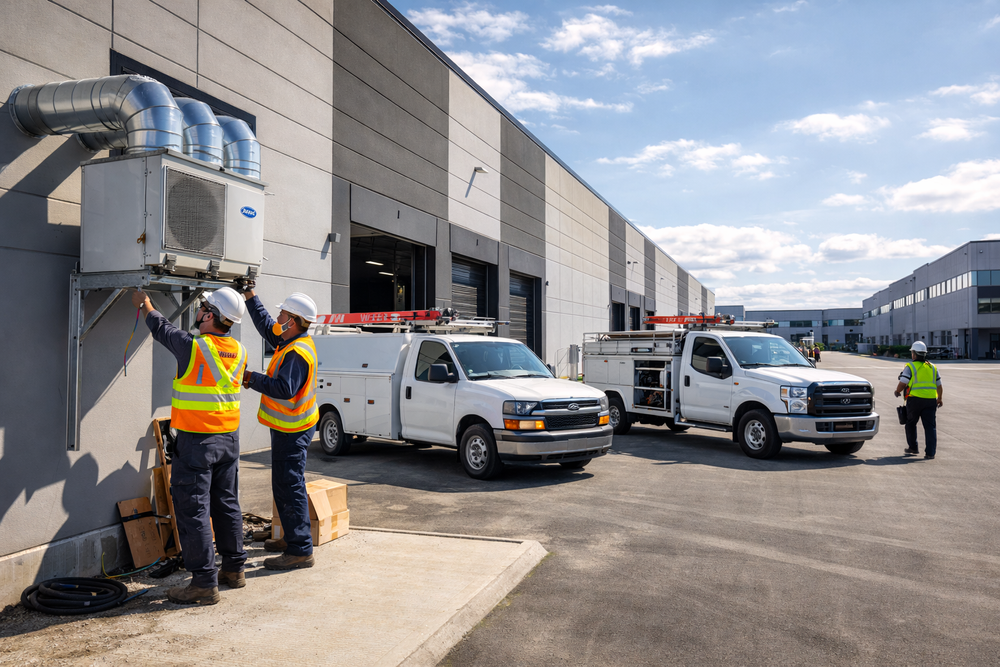
  • HVAC installation
  • Structural steel fabrication
  • Safety compliance consulting
  • Construction site security
  • Equipment rental and heavy machinery servicing
  • Portable sanitation and site logistics

For many local operators, these contracts can extend over several years as projects move through different construction stages.

Businesses already certified for commercial and industrial work are often best positioned to secure these opportunities.

Operational Phase Opportunities

Once facilities are operational, the demand shifts from construction trades to ongoing operational support.

Industrial tenants require a long list of services to keep facilities functioning efficiently.

These may include:

  • Fleet maintenance and truck repair
  • Industrial cleaning services
  • Security systems installation and monitoring
  • IT network support
  • Commercial landscaping
  • Safety training programs
  • Office staffing and HR services
  • Catering and mobile food vendors serving shift workers

Even small service providers can benefit from repeat contracts with industrial tenants, creating predictable revenue streams.

Positioning Early Matters

The most successful contractors and service providers rarely wait until buildings are complete to begin building relationships.

Developers, property managers, and logistics companies often establish vendor relationships well before projects open.

Businesses looking to benefit from Tilbury’s growth should consider:

  • Updating safety certifications and compliance standards
  • Building relationships with construction firms and property managers
  • Monitoring procurement announcements
  • Positioning themselves as reliable local vendors

Industrial development tends to operate on long planning cycles, meaning the companies that engage early often gain the strongest foothold.

A Long-Term Economic Shift

Tilbury’s expansion represents more than new buildings on industrial land.

It signals a broader shift in Delta’s role within the region’s supply chain and logistics network.

For local entrepreneurs and service providers, the real opportunity lies not just in the headline developments — but in the thousands of smaller contracts that keep those operations running day after day.

Those who understand that dynamic will be best positioned to participate in Delta’s next phase of economic growth.


Robert Skinner- Robert is a Ladner based business systems developer and the Publisher of Delta City News. Give him a call at +1 604-220-4750 or connect on LinkedIn: https://www.linkedin.com/in/rlskinner/

Note: We are looking for Citizen Journalist to write for this News Platform on a P/T Basis. Chat GPT training is available.

Give Robert a call. Let’s connect and message him on LinkedIn if you are interested to learn more.

#Delta City News #Robert Skinner -Publisher #Tilbury Expansion #Delta BC Business #Small Business Opportunities #Industrial Growth #Metro Vancouver Logistics

Share this article
The link has been copied!