By Robert Skinner | Delta City News | March 15, 2026

Subscribe Free To Delta City News: Click Here!

Over the past decade, one of the most significant economic developments in South Delta has occurred quietly but steadily on the lands of the Tsawwassen First Nation.

Since its historic treaty agreement in 2009, Tsawwassen First Nation has emerged as one of the most dynamic development forces in Metro Vancouver. Through its modern governance structure and control of treaty lands, the nation has been able to move quickly on commercial, residential, and industrial projects that are reshaping the economic landscape of the Tsawwassen area.

A Modern Treaty with Economic Impact

The Tsawwassen treaty was the first modern urban treaty negotiated in British Columbia. It granted the First Nation self-government powers and control over more than 700 hectares of land.

This autonomy allows TFN to manage land use, taxation, and development approvals through its own government rather than through the traditional municipal planning system.

For investors and developers, that streamlined governance has created a business environment where projects can move forward efficiently while still maintaining environmental and community oversight.

Major Commercial Projects

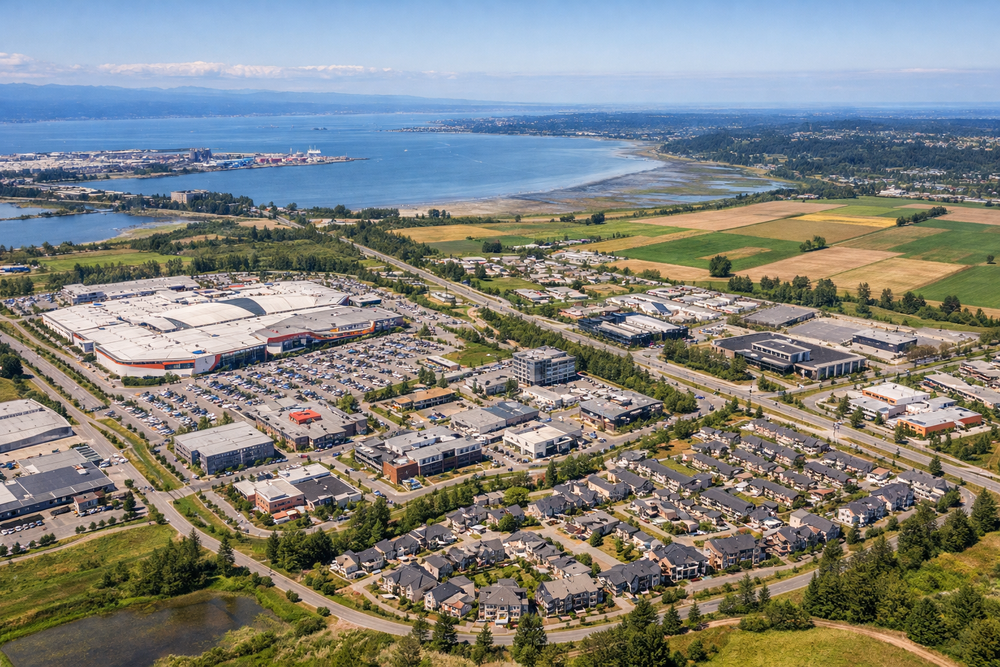
One of the most visible examples of TFN’s economic development strategy is Tsawwassen Mills, the large outlet shopping centre that opened in 2016.

The retail complex has become a regional destination, attracting shoppers from across Metro Vancouver as well as travelers heading to Vancouver Island via the nearby ferry terminal.

In addition to retail development, TFN lands have seen significant investment in:

  • commercial and logistics facilities
  • residential housing developments
  • tourism-related businesses
  • mixed-use commercial projects

This activity has created new jobs and expanded the tax base that supports services and infrastructure within the Tsawwassen First Nation community.

A Growing Residential Community

Alongside commercial development, TFN has also focused on expanding residential opportunities on its lands. New neighbourhoods are emerging that include a mix of housing options, helping to address ongoing housing demand in the broader South Delta region.

The residential growth is expected to continue over the coming years as TFN develops additional phases of housing and community amenities.

Economic Influence in South Delta

The economic footprint of Tsawwassen First Nation now extends well beyond its borders. Retail centres, commercial development, and tourism traffic generate economic activity that benefits the broader South Delta area.

For residents of Tsawwassen and Ladner, TFN’s development initiatives are increasingly shaping the local economy, employment opportunities, and regional growth patterns.

Looking Ahead

With several new projects in planning or early development stages, the role of Tsawwassen First Nation as a major economic player in the region is likely to grow even further.

As South Delta continues to evolve, understanding the economic strategy and governance model of TFN will be essential for residents, businesses, and policymakers who want to understand where the community is heading.

Robert Skinner Publisher - Robert is a Ladner based business systems developer and the Publisher of Delta City News. Give him a call at +1 604-220-4750 or connect on LinkedIn: https://www.linkedin.com/in/rlskinner/

Note: We are looking for Citizen Journalist to write for this News Platform on a P/T Basis. Chat GPT training is available.

#Tsawwassen #Tsawwassen First Nation #South Delta Business #Delta BC #Metro Vancouver Economy #Local Business News

Share this article
The link has been copied!