✍️ By Debbie Balfour | Delta City News | March 25, 2026
What if one property could generate the income of three, without relying on short-term rentals?
In a recent podcast conversation with Rodrigo Araujo, a Brazilian-born investor who built his career in Canada before expanding into the U.S., a different model of real estate came into focus. His journey from public servant to full-time investor wasn’t driven by trends. It was driven by a question: how do you build something scalable, sustainable, and meaningful?
Watch the full video here:
Cashflowing 7 Bedrooms
The answer, for him, was co-living.
At first glance, co-living sounds simple. Multiple people sharing a home. But in practice, it is a structured investment strategy designed around both affordability and efficiency.
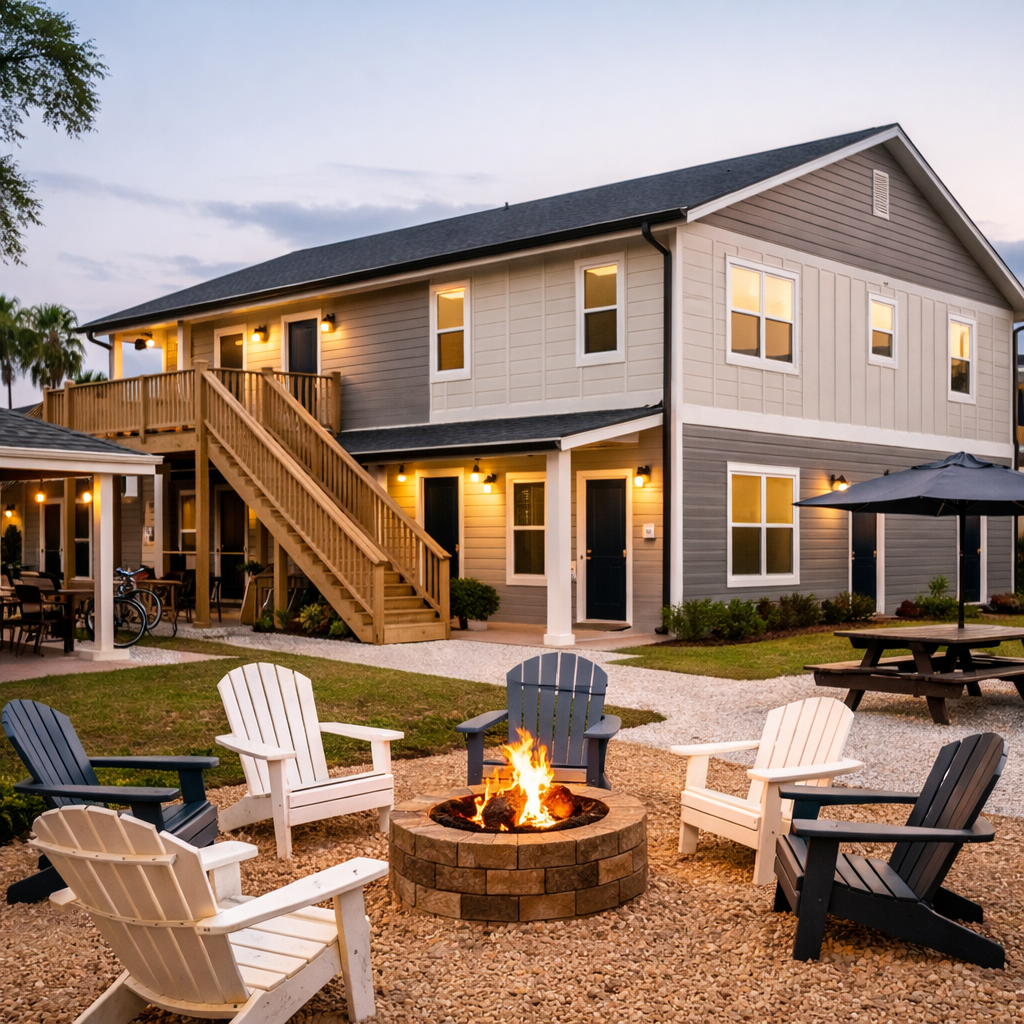
Instead of renting a property to a single family, investors rent individual bedrooms within the same home. Tenants share common spaces like kitchens and laundry, while maintaining private living areas. The result is a model that increases income potential while lowering the cost of entry compared to large multifamily properties.
But the real value isn’t just in the numbers.
Co-living addresses a growing gap in today’s housing market. As rents rise faster than incomes, many people, especially students, young professionals, and newcomers, are priced out of traditional housing. Co-living offers a practical alternative. It provides safe, affordable spaces while still allowing individuals to live independently.
For investors, the structure creates resilience. Multiple tenants mean diversified income. If one room is vacant, the property still performs. With the right systems, including clear house rules, thoughtful tenant selection, and strong property management, the model becomes both stable and scalable.
Rodrigo’s approach goes further. He designs co-living spaces intentionally. In some properties, layouts are optimized to maximize bedrooms. In others, homes are purpose-built with private bathrooms to improve tenant experience. Each decision reflects a balance between profitability and livability.
There is also a broader shift at play.
As Rodrigo explained, real estate is no longer just about owning assets. It is about solving problems. Co-living is one response to affordability challenges that governments alone cannot keep up with. When done well, it creates a shared benefit. Investors generate returns. Communities gain accessible housing.
The insight is clear. Opportunity often sits inside what others overlook.
Co-living may not fit every investor. It requires structure, systems, and a willingness to think differently. But for those willing to adapt, it offers something powerful.
Not just more income from a property, but more purpose behind it.
Debbie Balfour | Real Estate Investing Success Coach + Podcast Host
📍 Website: www.DebbieBalfour.com
📧 Email: Debbie@DebbieBalfour.com
🔗 LinkedIn: Debbie Balfour
▶️ YouTube Channel: youtube.com/@DebbieBalfour
Join the FREE Facebook Group: Real Estate Investor Success Hub
Download your FREE 5 Fastest Ways to Fund Your Next Investment Project guide.
TAGS: #Real Estate Investing #Co-Living #Passive Income #Housing Solutions #Wealth Building #Property Strategy #Financial Freedom #Let's Talk Real Estate Investing #Delta City Real Estate News #Debbie Balfour