By Robert Skinner | Delta City News | April 8, 2026
Subscribe Free To Delta City News:
Click Here!


As housing pressure builds across British Columbia, its impact is not being felt evenly.

In Delta, one area stands out:

👉 North Delta.

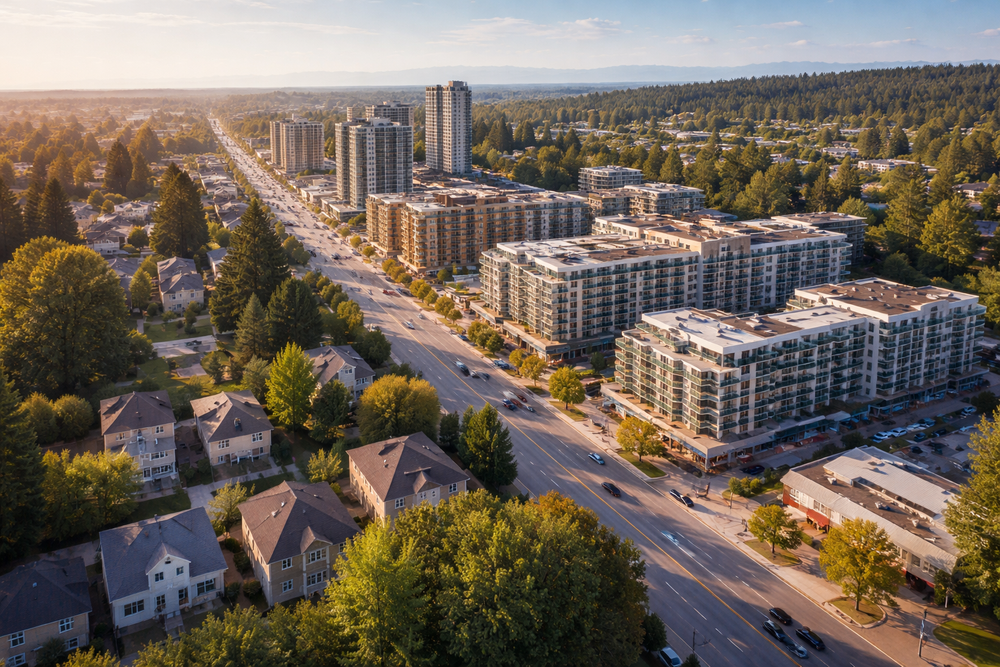
With higher density, strong transit connections, and ongoing development interest, North Delta may be the first place where the effects of new housing policies and regional growth become visible.


Provincial Policy Is Changing the Rules

Recent housing legislation introduced by the Province of British Columbia is reshaping how municipalities manage development.

These changes are aimed at increasing housing supply by:

  • allowing more multi-unit housing in traditionally single-family areas
  • reducing approval timelines
  • limiting barriers to new development

The intent is to address housing shortages.

But at the local level, it also means:

👉 municipalities have less flexibility to control how and where density increases.


Why North Delta Feels It First

Not all parts of Delta are positioned the same.

North Delta already has:

  • higher population density
  • more multi-family housing
  • strong connections to regional transit routes

This makes it more likely to:

  • absorb additional housing
  • see redevelopment activity
  • experience changes more quickly

In contrast, Ladner and Tsawwassen tend to see slower, more controlled change.


Growth vs Infrastructure

One of the biggest challenges is timing.

Growth can happen quickly.

Infrastructure does not.

This includes:

  • roads and traffic flow
  • schools and capacity
  • community services

As development increases, these systems can come under pressure—particularly in areas already operating near capacity.


A Regional Pressure Point

North Delta is also influenced by forces beyond Delta itself.

As housing affordability continues to push residents outward from Vancouver and Surrey, areas like North Delta become part of the solution.

This creates:

  • increased demand
  • more development interest
  • faster population shifts

What Residents May Start to Notice

For many residents, the effects of growth are not policy-based—they’re practical.

They may show up as:

  • increased traffic
  • more construction activity
  • changes in neighbourhood character
  • pressure on schools and services

These changes often appear gradually—but become noticeable over time.


The Bottom Line

North Delta is not the only area experiencing growth pressure.

But it may be the first place in Delta where that pressure becomes visible.


The Real Question

👉 As density increases…

how will infrastructure, services, and community planning keep pace?

Because growth is no longer a distant issue.

In North Delta, it may already be underway.


Information of Note:

Recent housing legislation introduced by the Province of British Columbia is changing how municipalities approach development.

Across the province, local governments are now expected to accommodate increased housing density, including multi-unit housing in areas that were traditionally limited to single-family homes.

The goal is to address housing shortages—but it also shifts how much control municipalities have over development decisions.

For communities like Delta, the impact of these changes is still unfolding.

The question is not whether policy is changing.

It’s how those changes will play out at the local level.


Robert Skinner Publisher - Robert is a Ladner based business systems developer and the Publisher of Delta City News.
Give him a call at +1 604-220-4750 or connect on LinkedIn: https://www.linkedin.com/in/rlskinner/


Note: We are looking for Citizen Journalist to write for this News Platform on a P/T Basis. Chat GPT training is available. To Apply: Click Here

Tags: #Delta City News # Robert Skinner - Publisher # North Delta # Housing BC # Urban Growth # Delta Housing Development Pressure Series # Delta BC # Infrastructure # Community Change

Share this article
The link has been copied!