By Robert Skinner | Delta City News | March 16, 2026
Subscribe Free To Delta City News: Click Here!
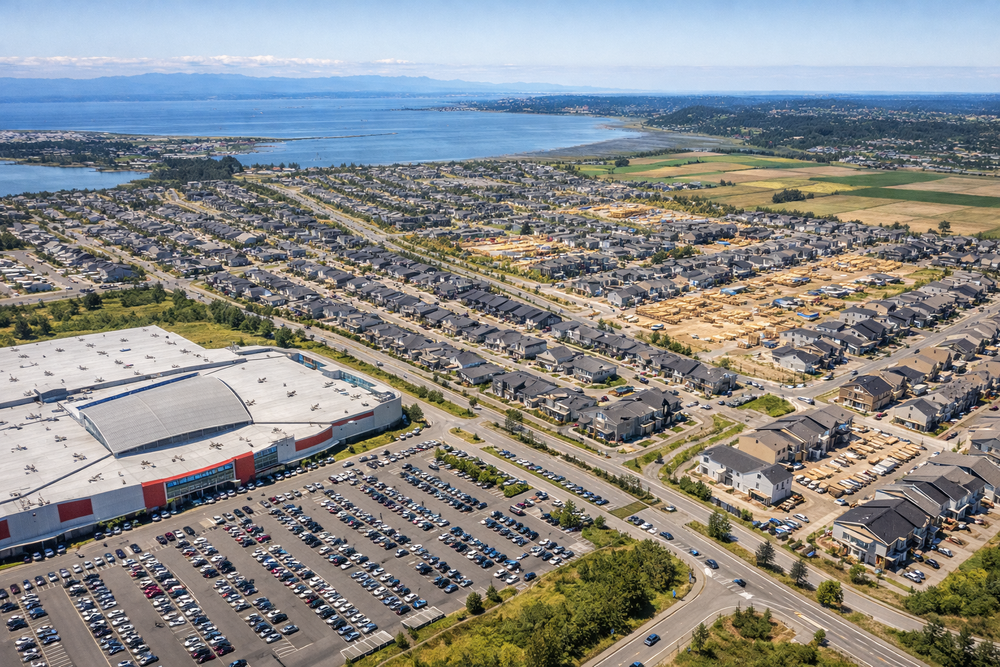
Over the past decade, development on the lands of the Tsawwassen First Nation has begun reshaping the physical and economic landscape of South Delta.
What was once largely agricultural and undeveloped land has steadily transformed into new residential neighbourhoods, commercial districts, and mixed-use developments that are expanding the footprint of the Tsawwassen community.
For residents of Tsawwassen and Ladner, the pace and scale of this development is becoming one of the most significant local growth stories in the region.
A New Approach to Land Development
Since the Tsawwassen treaty took effect in 2009, the First Nation gained the authority to govern its lands and manage development independently of municipal zoning processes.
This autonomy has allowed TFN to move quickly on long-term development strategies, creating partnerships with private developers to build residential communities and commercial projects.
Many of these projects are located near major economic anchors such as Tsawwassen Mills and the nearby ferry corridor leading to the BC Ferries Tsawwassen Terminal.
The result has been the creation of entirely new neighbourhoods that did not exist a decade ago.
Meeting Regional Housing Demand
Like much of Metro Vancouver, South Delta faces ongoing pressure for new housing.
Residential development on Tsawwassen First Nation lands is helping meet part of that demand through the construction of townhomes, condominiums, and leased residential properties.
While these homes are located on First Nation lands, they attract residents from across the Lower Mainland who are looking for housing opportunities close to the coast, major transportation routes, and retail services.
This growth is gradually expanding the population base in the Tsawwassen area.
Infrastructure and Community Questions
Rapid development inevitably raises questions about infrastructure and long-term planning.
Residents frequently ask how new housing growth will affect:
• local road capacity
• school enrollment
• access to services
• transportation corridors
Because TFN lands operate under a different governance structure than the surrounding municipality, planning coordination between the First Nation and the City of Delta remains an important ongoing conversation.
Local leaders on both sides recognize that cooperation is necessary to ensure infrastructure keeps pace with development.
Economic Benefits for the Region
The growth occurring on Tsawwassen First Nation lands is not only residential.
New housing communities are supporting additional commercial investment, retail services, and employment opportunities throughout the broader South Delta region.
Construction activity, new businesses, and increased population all contribute to the local economy and help sustain regional growth.
Looking Ahead
As development continues, Tsawwassen First Nation is likely to remain one of the most active growth zones in South Delta.
For residents, businesses, and local policymakers, the key challenge will be balancing economic opportunity with thoughtful planning that protects the unique coastal character of the community.
The transformation underway on TFN lands is a reminder that the future of South Delta is being shaped not only by municipal decisions, but also by the strategic development vision of Tsawwassen First Nation.
Robert Skinner Publisher - Robert is a Ladner based business systems developer and the Publisher of Delta City News. Give him a call at +1 604-220-4750 or connect on LinkedIn: https://www.linkedin.com/in/rlskinner/
Note: We are looking for Citizen Journalist to write for this News Platform on a P/T Basis. Chat GPT training is available.
#Delta City News # Robert Skinner - Publisher #Tsawwassen #Tsawwassen First Nation #South Delta Growth #Delta BC #Metro Vancouver Housing